

News
Opening Doors Presents Safeguarding Report to the Care Quality Commission (CQC)
Share this page


How CQC heard the views of adults with learning disabilities on safeguarding in Norfolk
Opening Doors is a user-led organisation run by people with learning disabilities for people with learning disabilities.
When Opening Doors Health Experts group researched the topics people with learning disabilities want to talk about and where their passions lie, they found that safeguarding came top of the list.
With the support of Healthwatch, they conducted their ‘What adults with learning disabilities say about safeguarding’ report, published in Easy Read in March this year.
Raising Awareness of Safeguarding Needs
As active members of the PEN Advisory Group for Autistic People and People with a Learning Disability, Opening Doors self-advocates spoke about their report at our most recent Advisory Group meeting.
This led to Opening Doors Experts by Experience delivering a presentation on the report which was hosted by PEN and attended by members of the Care Quality Commission (CQC)’s Public Engagement team and CQC’s Deputy Director for Autistic People and People with Learning Disabilities.
Opening Doors talked through how the report came about, its methodology and inclusive practices, and the next steps that the Health Experts are working on in relation to safeguarding.
Research Findings
The purpose of the report was to examine participants’ understanding of safeguarding and to hear their views and experiences of raising safeguarding concerns.
Adults with learning disabilities who use day services, attend community groups and/ or who receive care and support in Norfolk took part in workshop consultations, questionnaires and one-to-one meetings as part of the research process.
More than half of respondents (53%) did not know the meaning of safeguarding, which is defined as protecting people and enabling them to live free from harm, abuse and neglect. Only 9% were found to have a full understanding of safeguarding and knowledge of how to refer and report safeguarding concerns.
The most widely understood types of abuse were physical and financial abuse. Although neglect and self-neglect was also widely understood, recognition of the need to report neglect as a safeguarding concern was low. There was also a poor understanding of organisational abuse.
The research found that people with learning disabilities often did not know how to describe abuse. Many did not know what to do about abuse or neglect. There was some understanding of the importance of reporting safeguarding concerns to the police, but other support options were less widely known.
The main barriers to adults with learning disabilities reporting safeguarding concerns were 1. fear and worry, for example that their perception of abuse may be ‘wrong’, and 2. not knowing how to report safeguarding concerns.
The report also includes analysis of the different types of abuse and how well participants recognised and understood them.
Recommendations
Opening Doors identified the need for a greater provision of safeguarding awareness training for adults with learning disabilities, as well as the use of Easy Read materials, peer support and addressing the barriers to reporting.
They also highlight the need for clear and straightforward ways to report a concern need to be implemented with online, phone and face-to-face options.
Since people were more likely to report a safeguarding concern to those they know and trust, such as family, friends and doctors (rather than to strangers or people in less supportive roles), these should be located in a safe and familiar space such as their home, GP surgery or social club.
Learn more
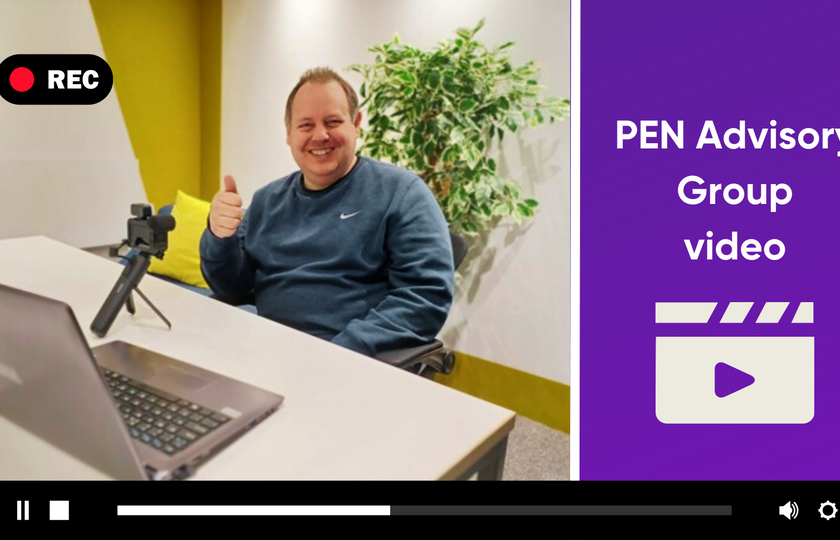
PEN Advisory Group Video: an Introduction to CQC
Members of the PEN Advisory Group have completed filming for a new video about the CQC for autistic people and people with learning disabilities.
Read more
PEN Autistic People and People with a Learning Disability's Advisory Group
The Public Engagement Network invites autistic people and people with learning disabilities to join our Advisory Group
Read more